

As Delhi Chokes, New Study Finds A Reusable Mask Significantly Cuts Exposure to Toxic Soot
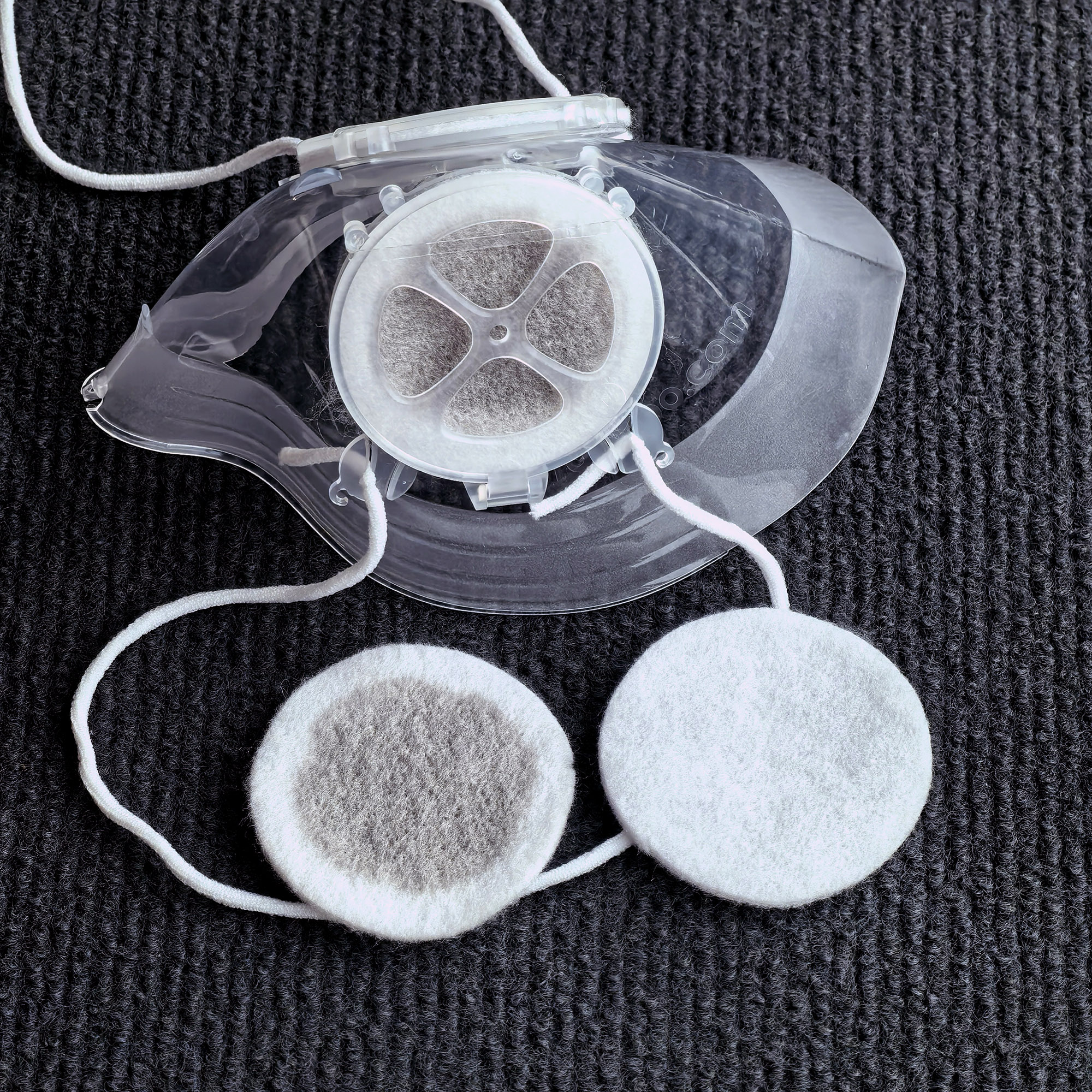
In AQI 400+, the white filters turn grey within hours, visually capturing the PM2.5 and soot otherwise inhaled.
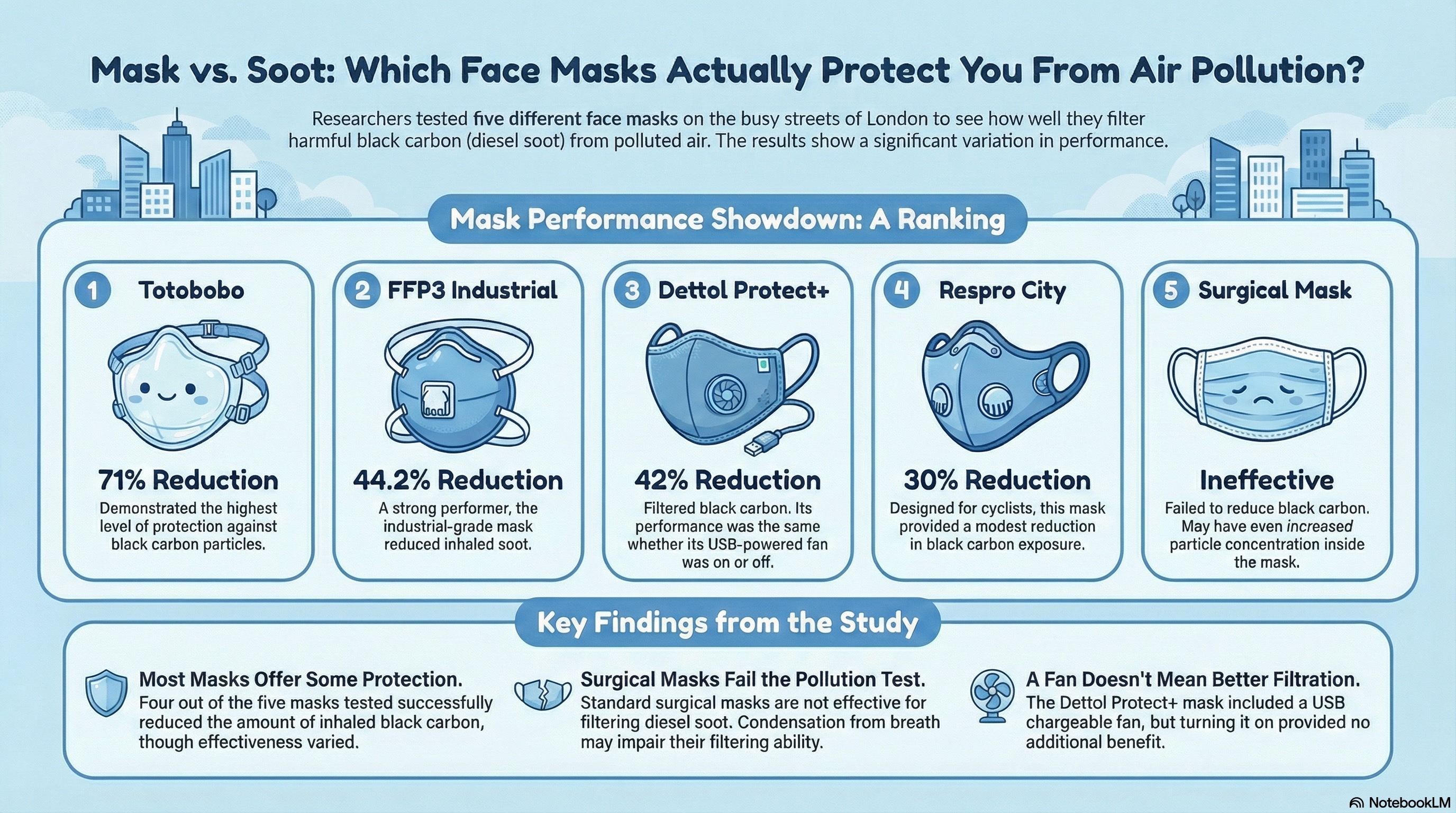
Results of the Queen Mary University London tested 5 masks against roadside diesel soot soot and
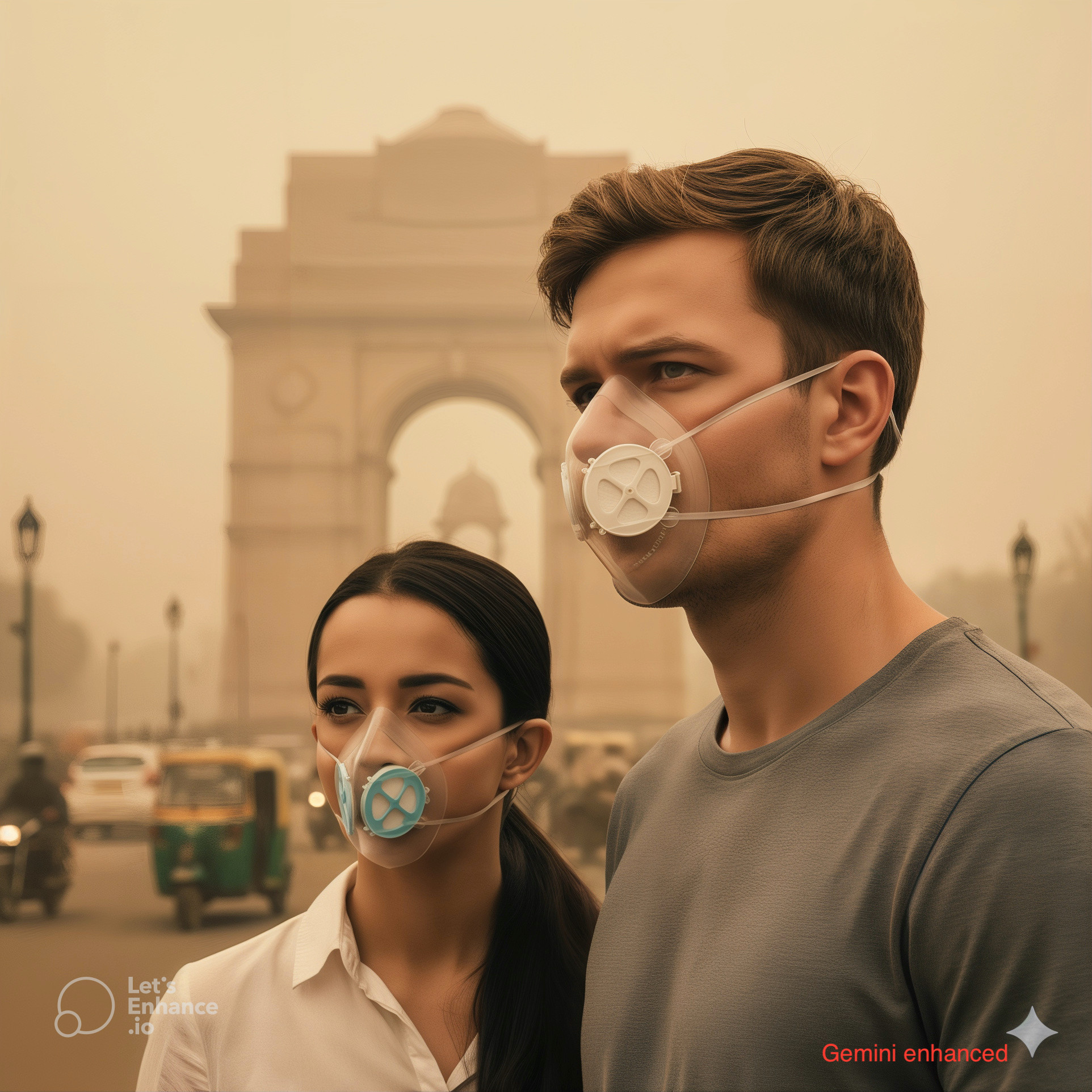
In AQI 400+, A man and a woman wearing Totobobo mask in front of the India Gate (simulated)
Delhi AQI 400+: A Queen Mary University study simulating Indian traffic finds a reusable mask cuts diesel soot exposure by ~71%.
As New Delhi’s air quality index (AQI) surged past the 400 “Severe” threshold this week, trapping millions in a grey, toxic smog, a new international study provides concrete data on an effective protective measure: the use of highly fitted, reusable respirator masks.
Research published by Queen Mary University of London, which simulated exposure in high-traffic urban environments akin to Indian megacities, found that a specific reusable mask model, the Singapore-designed Totobobo, dramatically reduced commuter exposure to black carbon—a potent and carcinogenic component of diesel exhaust.
Key Findings on Pollution Exposure
The London study, which tested various protective masks alongside heavily polluting buses and trucks, found the reusable mask filtered out an average of 71% of black carbon. Black carbon, or diesel soot, is a significant component of the fine particulate matter (PM2.5) driving the crisis in Delhi, Bengaluru, and Mumbai, and is strongly linked to heart attacks, strokes, and chronic lung disease.
The findings are especially relevant to India, where millions rely on vulnerable modes of transport. "Many masks are tested in labs, but real-world performance depends on fit during movement and breathing rate," noted the study lead.
The Problem of Fit Solved
The main barrier to effective mask use globally is a poor fit, which allows toxic air to leak around the edges.
A separate, peer-reviewed study from the Hong Kong Prince of Wales Hospital confirmed that the Totobobo mask provides a significantly better seal and lower leakage than standard, off-the-shelf N95 disposable masks. The product features a unique, transparent shell that can be custom-trimmed by the user, aiming to eliminate the gaps around the nose and cheeks that commonly undermine protection for many face shapes, including those often reported by Indian users.
A Practical Response to a Public Health Crisis
The new data arrives as Delhi grapples with its annual winter pollution peak, intensified by vehicle emissions, industrial output, and seasonal stubble burning. With demand for reliable protection spiking, the availability of a scientifically validated, long-term solution could shift public health advice.
Visual Confirmation: The mask uses replaceable white filters that visibly turn grey within hours of use in severe pollution (AQI 400+), providing clear, immediate confirmation that PM2.5 and soot are being captured.
Long-Term Usage and Sustainability: Unlike disposable options that contribute to waste, the reusable shell is designed to last years, requiring only filter replacements. Its design intent also follows a "Right to Repair" philosophy, allowing users to replace ear loops with common local materials or even cut emergency filters from a surgical mask, reducing dependency on a proprietary supply chain and minimising waste pollution.
A Decade of Use in New Delhi
While scientific studies measure performance under test conditions, users' long-term experience often reflects real-world durability and comfort—critical factors for adoption in hot, humid climates.
Mohit, a resident of New Delhi, represents a small but growing group of consumers who have relied on the reusable mask for more than 10 years, across multiple severe pollution seasons. He has documented his experience with the product, describing its maintenance, consistent fit over time, and usability during daily commutes. [Video embedded below.]
The mask, initially conceived by designer Francis Chu in 2009 for disease control post-SARS, has been validated for its efficacy against urban air pollution through field tests involving cyclists in heavy traffic—a scenario directly mirroring daily commutes in India.
The reusable solution is currently available to consumers via major e-commerce platforms, offering a practical, personal defense against what many Delhiites have termed the annual "gas chamber" season.
References for Research:
Queen Mary University of London Study on Black Carbon
HK Prince of Wales Hospital Fit & Performance Study
Francis Chu
Dream Lab One Pte. Ltd.
+65 8118 3083
email us here
Visit us on social media:
LinkedIn
Mohit from New Delhi used the Totobobo mask for 10+ years, sharing how it fits, stays comfortable, and protects him during daily commutes.
Legal Disclaimer:
EIN Presswire provides this news content "as is" without warranty of any kind. We do not accept any responsibility or liability for the accuracy, content, images, videos, licenses, completeness, legality, or reliability of the information contained in this article. If you have any complaints or copyright issues related to this article, kindly contact the author above.
