

Manufactured Housing Expert Lee Gause Explains Financing Options for Factory-Built Homes for HelloNation
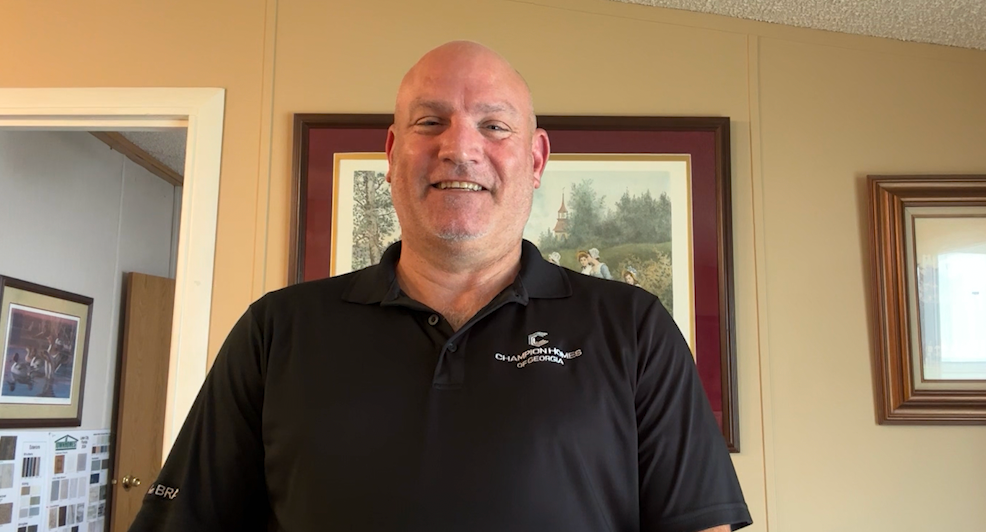
Manufactured Housing Expert Lee Gause
What makes financing factory-built homes different from financing traditional site-built houses?
MARIANNA, FL, UNITED STATES, January 13, 2026 /EINPresswire.com/ -- What makes financing factory-built homes different from financing traditional site-built houses? According to a HelloNation article, the difference lies in how each type of home is classified and how that classification shapes loan options, interest rates, and long-term value. In the feature, Lee Gause of US Mobile Home Sales in Marianna, FL, outlines the key steps buyers should understand when navigating manufactured home financing and modular home mortgages.The HelloNation article begins by explaining that factory-built homes fall into two main categories: manufactured and modular. Both are constructed in factories, yet their differences in building codes and installation methods result in different financing opportunities. Manufactured homes are built under the federal HUD Code and typically rest on a steel chassis. If they are placed on leased land or are not permanently installed, they are usually considered personal property instead of real estate. This classification directly impacts loan eligibility and determines whether the buyer can pursue a mortgage or must instead use a chattel loan.
A chattel loan, as Gause explains in the HelloNation feature, functions similarly to a vehicle loan. It is secured by the home itself rather than the land beneath it. Chattel loans usually have shorter repayment periods, typically between 15 and 20 years, and tend to carry higher interest rates due to the increased risk perceived by lenders. These loans often make sense for buyers who plan to place their home in a community where the land is leased or where lot ownership is not possible. However, they may not build equity in the same way that real property does, meaning the home’s value might decline over time rather than appreciate.
For those who own the land beneath their manufactured home, the range of financing options expands considerably. If the home is permanently installed and legally converted to real property, it can qualify for government-backed programs such as FHA loans, VA loans, or USDA loans. Each program has its own criteria. FHA loans require a certified permanent foundation that complies with HUD Code standards. VA and USDA programs may require proof of land ownership, installation inspections, and title elimination to confirm the home’s real property classification. Once these requirements are met, buyers can access loan terms similar to those available for traditional homes, often including lower interest rates and longer repayment periods.
Converting a manufactured home to real property is a detailed process, but one that can significantly enhance financing flexibility and long-term value. According to the HelloNation article, the homeowner must first surrender the original title, which resembles a vehicle title, and then record the home as real estate with the county property assessor. The home must also be affixed to a foundation that meets HUD or state guidelines. Once completed, this conversion broadens financing opportunities and allows appraisers to compare the home to other site-built properties in the area.
Modular homes, on the other hand, take a different route from the start. These homes are built in sections at a factory, but must meet the same state and local building codes as site-built homes. Once installed on a permanent foundation, modular homes are automatically classified as real property. Because of this, they qualify immediately for conventional financing options such as fixed-rate or adjustable-rate mortgages. Lenders view modular homes similarly to traditional houses, and appraisers use comparable properties for valuation. As a result, modular home mortgages often offer better long-term stability and value retention compared to loans for manufactured homes.
Gause stresses in the HelloNation article that understanding the distinction between manufactured home financing and modular home mortgages helps buyers make more informed decisions. Each financing path offers unique advantages depending on a buyer’s goals, land ownership status, and budget. Manufactured homes offer affordability and flexibility, while modular homes provide easier access to conventional financing and equity growth.
Selecting the right lender is another critical step in the process. Not all financial institutions are familiar with the documentation or compliance requirements specific to factory-built homes. The HelloNation article highlights that lenders specializing in these types of homes can help buyers navigate title conversions, foundation certifications, and inspection requirements efficiently. Their expertise reduces the chance of delays, unexpected costs, or loan denials due to incomplete documentation.
Interest rates, down payment amounts, and insurance requirements can vary widely depending on loan type. Buyers should carefully evaluate the total cost of financing, including fees, insurance premiums, and possible land lease payments. While chattel loans can offer quicker approvals, they may carry higher monthly costs. Conventional or government-backed loans often provide better long-term financial stability but may require more preparation and upfront paperwork.
The HelloNation article concludes that financing factory-built homes requires careful attention to classification, compliance, and lender selection. Buyers who take the time to understand these details can secure financing that fits their long-term goals while protecting the value of their investment. With proper planning and the right professional guidance, factory-built housing can provide an affordable and reliable path to homeownership for families across the country.
Financing Options for Factory-Built Homes features insights from Lee Gause, Manufactured Housing Expert of Marianna, FL, in HelloNation.
About HelloNation
HelloNation is a premier media platform that connects readers with trusted professionals and businesses across various industries. Through its innovative “edvertising” approach that blends educational content and storytelling, HelloNation delivers expert-driven articles that inform, inspire, and empower. Covering topics from home improvement and health to business strategy and lifestyle, HelloNation highlights leaders making a meaningful impact in their communities.
Pat McCabe
HelloNation
+1 (585) 427-0020
email us here
Legal Disclaimer:
EIN Presswire provides this news content "as is" without warranty of any kind. We do not accept any responsibility or liability for the accuracy, content, images, videos, licenses, completeness, legality, or reliability of the information contained in this article. If you have any complaints or copyright issues related to this article, kindly contact the author above.
